Come mi preparo alla prova d’ascolto dello Staatsexamen NT2 Programma II?
La prova d’ascolto dello Staatsexamen NT2 Programma II (Luisteren) verifica l’olandese di livello B2, con circa 40 domande a scelta multipla su registrazioni vere. Ogni frammento viene riprodotto una sola volta.
Il modo migliore e gratuito per prepararti è ascoltare molto olandese vero di livello B2. Qui sotto trovi un pacchetto gratuito di 98 video B2, a una velocità di parlato vicina a quella del test.
Consigli da un insegnante esperto
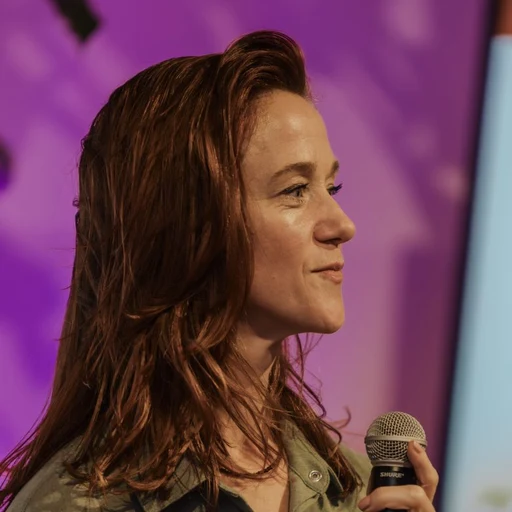
Insegnante di olandese e coach di conversazione dal 2013 · Fondatrice della Dutch Speaking Academy
Mariska van der Meij insegna olandese dal 2013 e ha fondato la Dutch Speaking Academy vicino ad Amsterdam. Lavora con chi capisce già molto olandese ma passa ancora all’inglese quando arriva il suo turno di parlare. Il metodo d’ascolto di questa pagina è suo.
Da un’insegnante di olandese
Come mi preparo alla prova d’ascolto dell’NT2 Programma II?
Il Programma II ha esattamente la stessa struttura del Programma I. Il Luisteren dura 90 minuti e ha circa 40 domande su 5 o più testi d’ascolto, con 3 o 4 risposte ciascuna e una sola giusta. Hai circa 25 secondi per leggere prima la domanda, da 1 a 3 frammenti sono brevi video, e tutto viene riprodotto una sola volta. A cambiare è l’olandese. Al B2 chi parla sostiene una tesi, e dice le cose in modo molto meno diretto.
Quindi la prima cosa da scoprire è se sei davvero al B2, e non a un comodo B1. Fai una simulazione ufficiale e gratuita del Programma II prima di iscriverti. Non ti costa nulla, ed è una prova molto più affidabile di quanto ti senta pronto.
Segui il ragionamento, non le parole
Al B2 la domanda raramente è quale parola hai sentito. È cosa pensa questa persona, e perché. Chi parla costruisce un ragionamento: ecco cosa non va, ed ecco cosa dovrebbe succedere. Se segui questa struttura, puoi perderti qualche parola e rispondere comunque alla domanda.
Quindi quando ti eserciti, ferma il video dopo un minuto e di’ ad alta voce cosa sta sostenendo chi parla e cosa vuole. Se non riesci a dirlo, riascoltare cercando singole parole non ti salverà.
Impara le parole che ribaltano una frase
Chi parla al B2 cambia spesso direzione, e sono le paroline a guidare la svolta. Allena l’orecchio su maar ("ma"), toch ("eppure"), hoewel ("anche se"), daarentegen ("d’altra parte"), sterker nog ("anzi, addirittura") e kortom ("in breve"). Ti avvisano che sta arrivando un contrasto, o che il riassunto che ti serve è il prossimo.
Questo conta perché una risposta sbagliata è spesso qualcosa che chi parla ha davvero detto, appena prima di ribaltarsi e dire il contrario.
Ascolta come attenuiamo un’opinione
Gli olandesi spesso evitano di dire no in modo diretto. Diciamo invece nou ja ("beh, sì"), op zich ("di per sé"), in principe ("in linea di principio") o eigenlijk ("in realtà"). In una registrazione B2 sono quelle paroline a portare l’opinione. Quando qualcuno dice op zich is het een goed plan, maar..., non pensa affatto che sia un buon piano.
Quindi ascolta il tono tanto quanto le parole. L’esame può chiederti anche come si sente qualcuno riguardo a ciò che sta descrivendo.
Esercitati con un pezzo lungo, non con cinque brevi
Nel Programma II i frammenti sono più lunghi e contengono più informazioni, quindi allenati per questo. Prendi un’intervista o un servizio di qualche minuto e lavoraci a pezzi di circa 30 secondi. Ascolta senza il testo e di’ cosa hai capito, ascolta di nuovo, e solo dopo leggi la trascrizione o i sottotitoli.
Fallo per al massimo 30 minuti, poi fermati e concediti una pausa. Ascoltare con così tanta attenzione è faticoso, ed è proprio l’attenzione che stai allenando.
Lo senti una sola volta, quindi decidi cosa cercare
Non c’è un secondo ascolto, e questo cambia come usi i 25 secondi prima di un frammento. Leggi la domanda e le risposte, poi decidi cosa stai cercando: un’opinione, una ragione, un numero, o la differenza tra due persone. Ascolta solo quella cosa e non preoccuparti del resto.
E se te ne perdi una, lasciala andare e preparati per il frammento successivo. Inseguire una risposta che è già passata è il modo in cui si perdono anche le domande dopo.
Due cose ti portano fino in fondo a questo esame. Una è un orecchio abituato all’olandese a velocità normale, che costruisci guardando olandese vero quasi ogni giorno. L’altra è l’abitudine di chiederti dove vuole arrivare chi parla, che costruisci facendo simulazioni complete. Veel succes!
Perché questo livello
Perché si sostiene l’NT2 Programma II?
L’olandese di livello B2 viene spesso richiesto per:
Studiare in una hogeschool (hbo) o all’università, che richiede l’olandese B2
Lavorare a livello hbo o accademico, incluso il registro BIG per gli infermieri formati a livello hbo
La cittadinanza olandese (naturalizzazione), per cui conta un diploma NT2 di livello B1 o B2
Il tuo obiettivo è un percorso di studio mbo, o lavorare a livello mbo-3 o mbo-4? Serve il B1, quindi inizia con la pagina d’ascolto dell’NT2 Programma I.
Gratis · 98 video · 4 ore 2 minuti
Il tuo pacchetto d’ascolto gratuito per NT2 Programma II
Ecco 98 video brevi di veri madrelingua di livello B2, a una velocità di parlato vicina a quella dell’esame (circa 197 parole al minuto). I parlanti usano l’olandese dei Paesi Bassi, la variante che senti nell’esame, non il fiammingo. La maggior parte delle parole rientra nel 97% delle parole più comuni parlate in Dutch, quindi corrispondono al tipo di linguaggio usato nel test. In totale sono circa 4 ore 2 minuti di pratica d’ascolto per il Staatsexamen NT2 Programma II. Sono tutti gratis da guardare qui sotto.
Wereldwijventour: vrouwen die Den Haag hebben veranderd
Omroep West
Cosa alleni
A walking tour about famous women in The Hague, where a guide explains history with "want" and "dus" on location.
Escape room dicht, een online spel ontstaat
Creators United
Cosa alleni
An escape room owner shows her closed rooms and explains her new online game, using "eigenlijk" and "juist".
Tien dagen geen gevechten in Libanon uitgelegd
NOS Jeugdjournaal
Cosa alleni
A news explainer about the ceasefire in Lebanon, using reported speech like "zegt Israël" to present each side's position.
Hoe Nederlandse tv de Surinaamse onafhankelijkheid in beeld bracht
Nederlands Instituut voor Beeld & Geluid
Cosa alleni
A documentary about how TV covered Suriname's independence, with witnesses recalling events using past tenses and "destijds".
Wat het landelijk oliecrisisplan voor jou betekent
RTL Nieuws
Cosa alleni
A news explainer about the national oil crisis plan in four phases, with formal linking like "ondanks alles" and "kort gezegd".
Hoe normaal is het traditionele gezin eigenlijk?
Brainwash
Cosa alleni
A short explainer asks how normal the standard family really is, building an argument with "maar" and "ondertussen".
Joyce’s verhaal over een infectie met vleesetende bacterie
Hart van Nederland
Cosa alleni
A news report on a dangerous infection mixes a patient's story, street voices and an expert, with "eigenlijk" hedges.
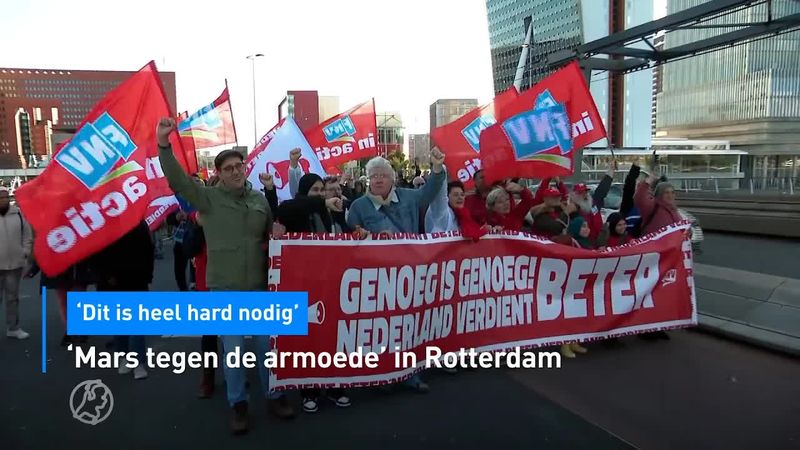
Mars tegen armoede en de gevolgen voor uitkeringsgerechtigden
Hart van Nederland
Cosa alleni
A news report from a poverty march, where people explain money problems using "terwijl" when prices rise but income stays flat.
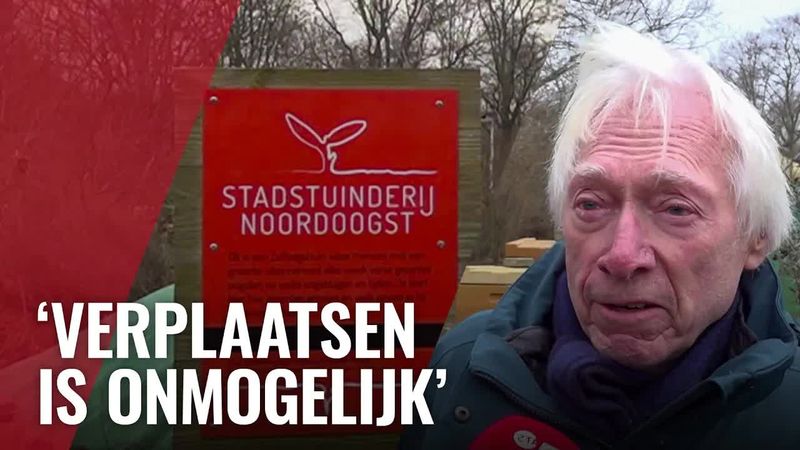
Stadslandbouw NoordOogst in de knel door sportvelden
AT5
Cosa alleni
A local news report shows an urban farm that must leave for sports fields, with reasons linked by "namelijk" and "terwijl".
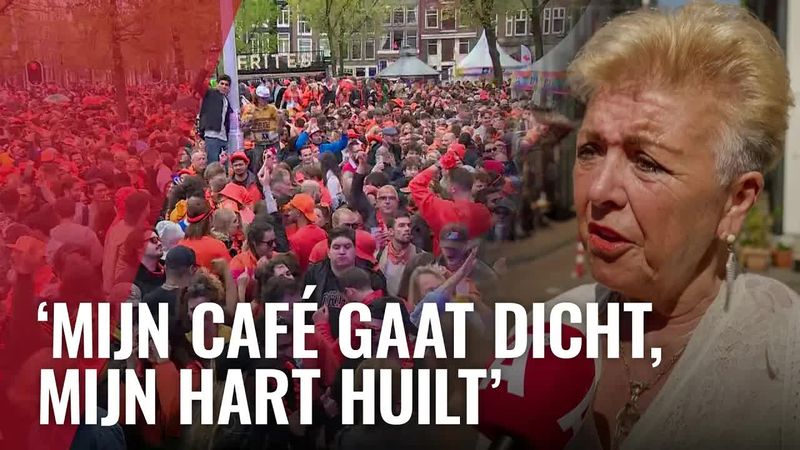
Mening van Jordaanbewoners over Koningsdag en drukte
AT5
Cosa alleni
Locals in a news report give opinions about King's Day crowds, linking ideas with "eigenlijk" and "gewoon".
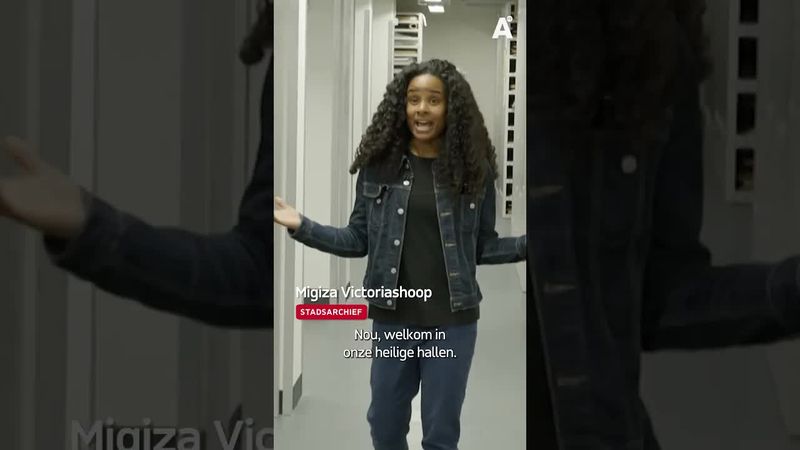
Diversere verhalen in het Amsterdamse stadsarchief
AT5
Cosa alleni
A news report shows the Amsterdam city archive adding more diverse stories, with contrast words like "terwijl" and "eigenlijk".
Hoe de oorlog in Iran de wereld beïnvloedt
NOS Jeugdjournaal
Cosa alleni
A news explainer on the Iran war and its world effects, with clear summarizing links like "kortom" and "ondanks".
Generatiekloof en schoolherinneringen met frikandelbroodje
NPO Start
Cosa alleni
A documentary talk about school changes since the 1960s, where a historian argues with "naar mijn idee" about education reform.
Wie is de Mol en de toerismeboost voor Georgië
De Telegraaf
Cosa alleni
A news report on tourism to Georgia after a TV show, with a tour operator confirming growth using "inderdaad" and "langzaam maar zeker".
Waarom studentenverenigingen een ontgroening hebben
Clipphanger
Cosa alleni
An animated explainer tells why student clubs haze new members, linking history and purpose with "want" and "dus".
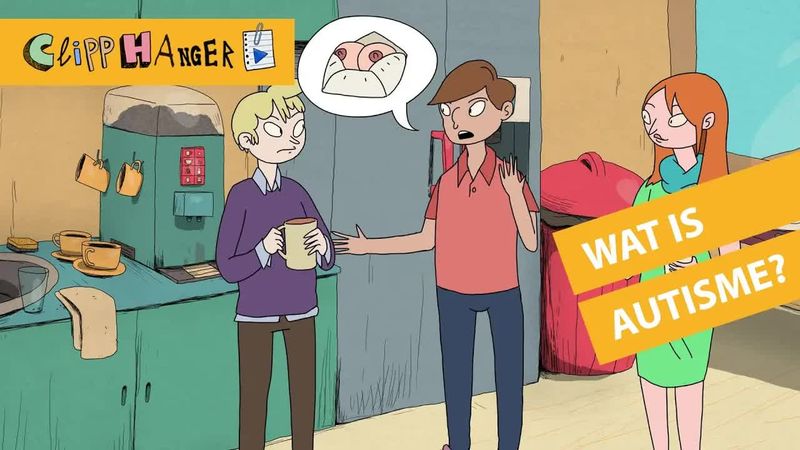
Uitleg: wat is autisme en hoe uit het zich?
Clipphanger
Cosa alleni
A short explainer about autism describes causes and effects with "waardoor" and "dus", useful for exam listening.
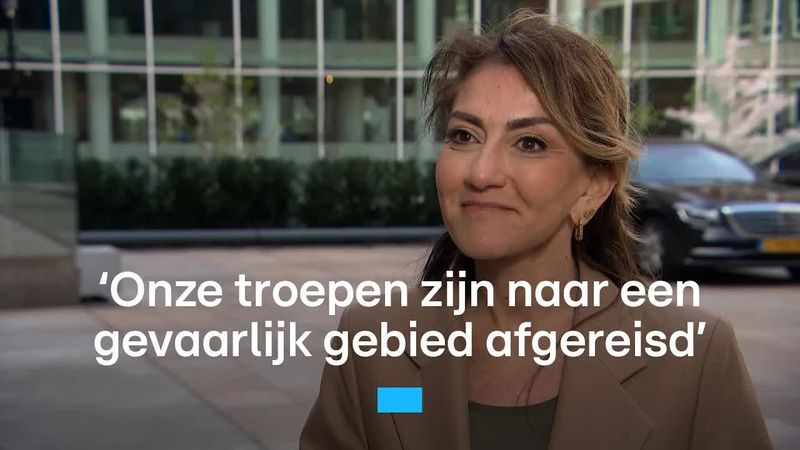
Minister verdedigt duur bezoek aan marineschip Evertsen
RTL Nieuws
Cosa alleni
A reporter presses a minister about the cost of a navy visit, so you hear firm answers using "afweging" and "cruciaal".

Koloniale troepen in de Tweede Wereldoorlog en daarna
Hipstoricus
Cosa alleni
A history explainer on colonial troops in World War Two, building an argument with "hoewel" and a "waarom" question.
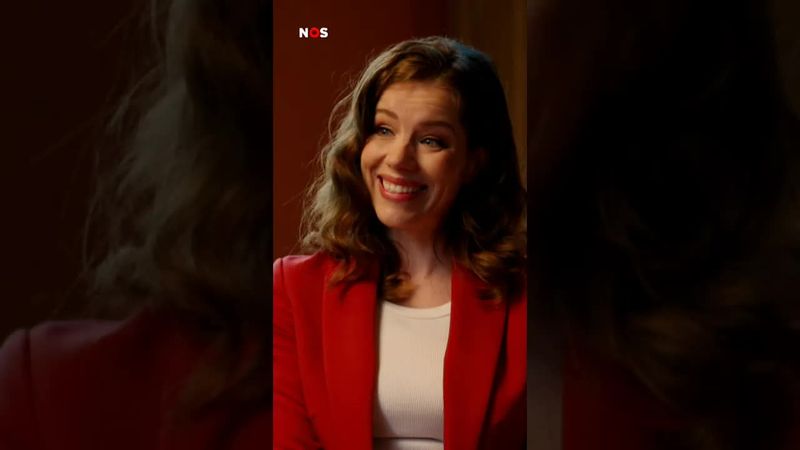
Rob Jetten over oorlog, veiligheid en zijn nieuwe rol
NOS Jeugdjournaal
Cosa alleni
A news interview where the new prime minister explains war worries, giving reasons with "daarom" and "zodat".
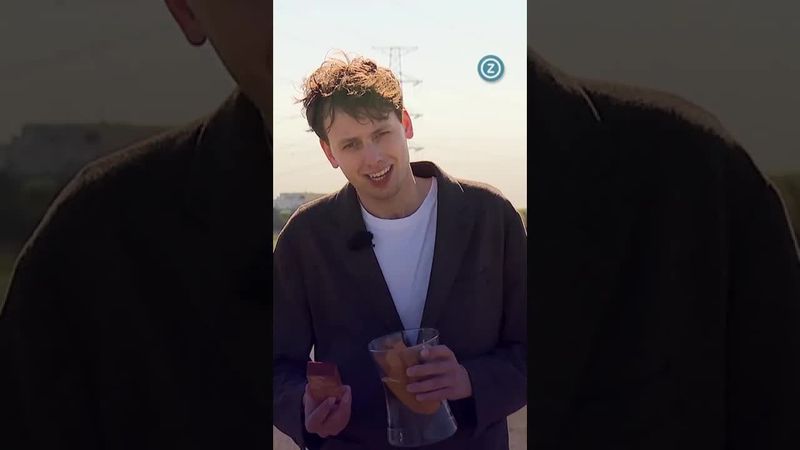
Hoe werkt de gesmolten zout kerncentrale in Borssele?
Omroep Zeeland
Cosa alleni
Two presenters explain how a molten salt nuclear reactor works, connecting each step with "dus" and "juist".
Studie Nederlands: meer dan alleen literatuur
University of Groningen
Cosa alleni
A student explains what studying Dutch at university is really like, correcting expectations with "eigenlijk" and "juist".
Opleiding van blindegeleidehonden in Amsterdamse verkeerstuin
The Dutch Table
Cosa alleni
A documentary about training guide dogs for blind people, with the clear contrast word "daarentegen".
Studie Nederlands, moderne letterkunde en mijn scriptie over liefde
University of Groningen
Cosa alleni
A student presents her Dutch literature study and thesis, linking reasons with "omdat" and "naast" in clear speech.
Waarom Nederlanders klimaatverandering nauwelijks als probleem zien
Brainwash
Cosa alleni
A speaker argues why Dutch people ignore climate change, using numbers and the contrast word "toch" to make a point.
Robbert Rodenburg over eetstoornissen, taboes en herstel
RTL Tonight
Cosa alleni
A talk show interview about eating disorders in men, with claims supported by "bijvoorbeeld" and "gewoon" in natural fast Dutch.
Hantavirus op cruiseschip: hoe groot is het risico?
WNL
Cosa alleni
A virus expert answers news questions about an outbreak on a ship, weighing risk with "kennelijk" and "überhaupt".

Waarom boodschappen in Nederland zo duur zijn
RTL Z
Cosa alleni
A news explainer on why Dutch groceries cost more than abroad, weighing causes with "sowieso" and "toch".
Waarom krijg je spierkramp tijdens het sporten?
University of The Netherlands
Cosa alleni
A lecture on why muscles cramp during sport, with clear cause and effect links like "waardoor" and "op het moment dat".
Hoe Cruijff denkt en spreekt volgens de taalkunde
Brainwash
Cosa alleni
A short lecture explains how Cruijff spoke faster than he could plan, using "terwijl" to contrast two thinking steps.
Rob Jetten over social media en bescherming van kinderen
NOS Jeugdjournaal
Cosa alleni
A journalist questions minister Rob Jetten about a social media ban for children, with reasons linked by "want" and "uiteindelijk".
Iraniërs vieren benoeming van nieuwe opperste leider
RTL Nieuws
Cosa alleni
A short news bulletin about Iran's new leader, with formal words like "zogeheten" and the passive voice.
Vrouwenmars in Amsterdam voor Internationale Vrouwendag
AT5
Cosa alleni
Street interviews at a women's march in Amsterdam, where speakers soften opinions with "toch" and "eigenlijk".
Dakloze moeders met kinderen in Amsterdam-Zuidoost
AT5
Cosa alleni
A news report follows homeless mothers in Amsterdam, so you hear reported speech like "ik kreeg te horen" about refused help.
Joyce overleeft treinongeluk en deelt haar levensles
Hart van Nederland
Cosa alleni
A news report about a train crash survivor, so you hear past tense storytelling and time phrases like "30 jaar geleden".
Hoe Volendam zo populair werd bij schilders
Omroep MAX
Cosa alleni
An interview on the dike explains how painters made Volendam world famous, summing up ideas with "in feite".
300 jaar Staatsloterij: geschiedenis van trekkingen en loten
Omroep West
Cosa alleni
A studio talk about 300 years of the state lottery, listing reasons with "daarnaast" and "eigenlijk".
Leven van kookvideo’s en omgaan met online bekendheid
Omroep West
Cosa alleni
A food creator explains the good and bad sides of online work, weighing them with "eigenlijk" and "maar".
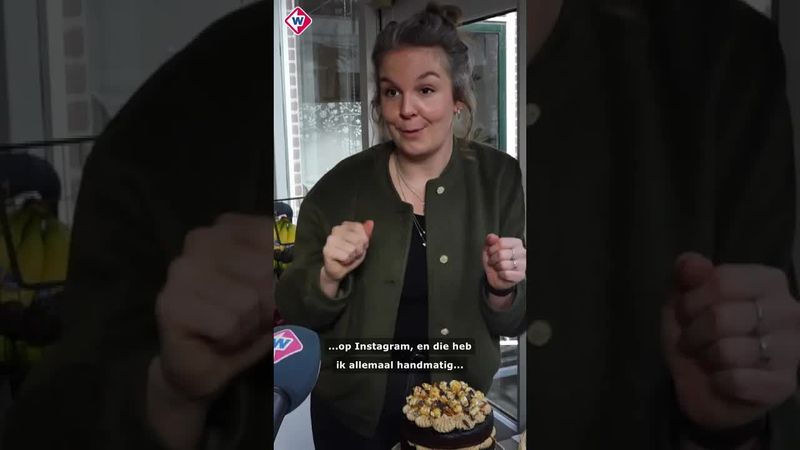
Leven van kookvideo’s op instagram: vrijheid en nadelen
Omroep West
Cosa alleni
A food creator explains how she earns a living from short cooking videos, weighing pros and cons with "maar" and "eigenlijk".
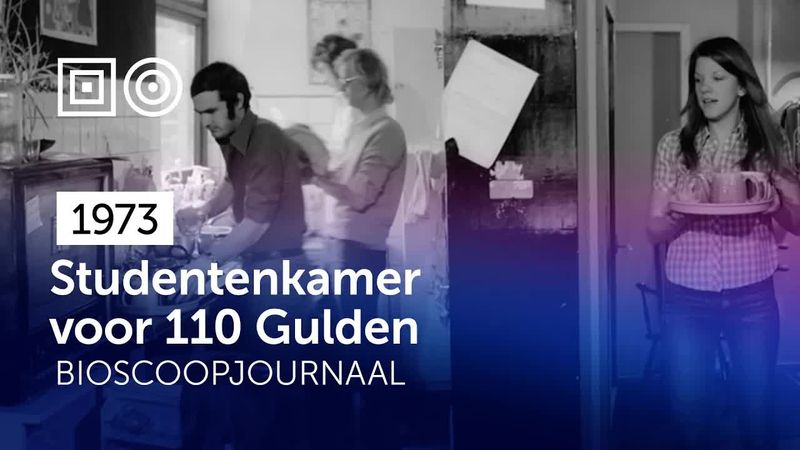
Studentenleven op Uilenstede in Amsterdam in 1973
Nederlands Instituut voor Beeld & Geluid
Cosa alleni
A 1973 documentary about student housing compares rents and rooms, with contrast marked by "terwijl" and "doordat".
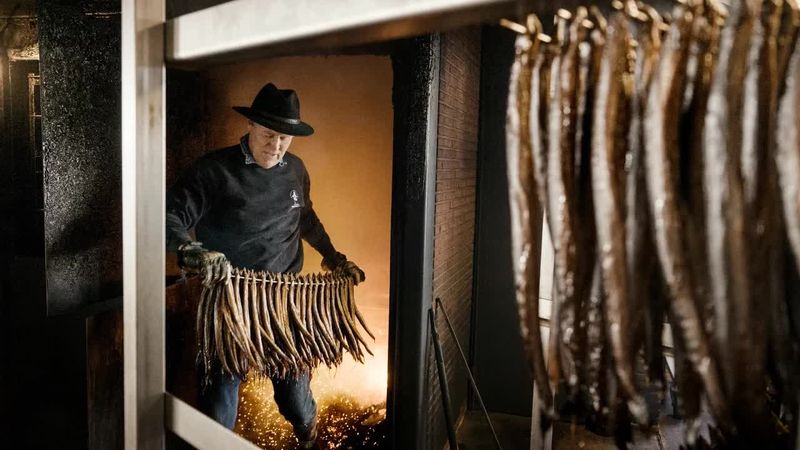
Identiteit en tradities van Volendam als vissersdorp
De Morgen
Cosa alleni
A documentary about Volendam's fishing village identity, where speakers link opinions with "toch" and "natuurlijk".

De zoektocht naar een nieuwe Hongaarse president
NOS op 3
Cosa alleni
A reported explainer on Hungary picking a new president, with a country expert weighing in, so you practise holding on to an argument over five minutes rather than catching single facts.
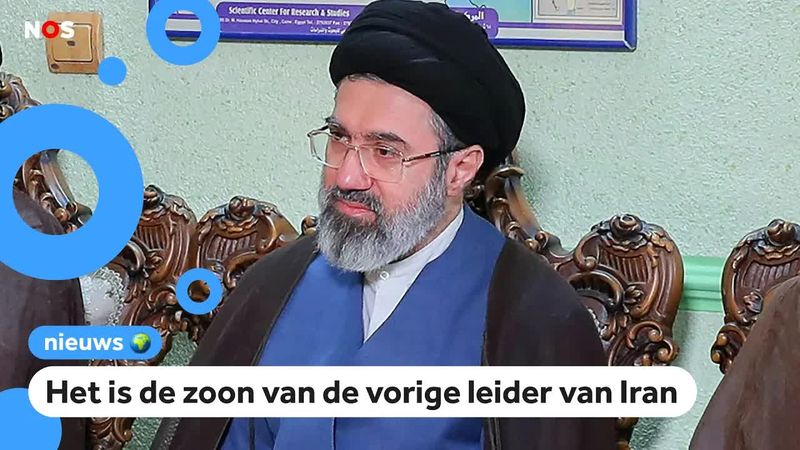
Wie is de nieuwe leider van Iran?
NOS Jeugdjournaal
Cosa alleni
A news explainer about Iran's new leader, with contrast marked by "toch" and a conclusion with "eigenlijk".
Van Weel reageert op politiegeweld tegen zwangere vrouw
RTL Nieuws
Cosa alleni
A minister answers press questions about police violence, deflecting with "dat is aan de politie" and reported speech "de politie zegt".
Straatinterview over persvrijheid en kritiek op de media
Het Klokhuis
Cosa alleni
Street interviews about press freedom mix real opinions and jokes, so you hear arguments with "want" and "dus".
Middeleeuws kinderfeest in de kerk op 28 december
The Dutch Table
Cosa alleni
A historian lectures on a medieval children's feast in church, explaining causes with "vanwege" and "dus".
Onderzoek naar tropisch bos en klimaatverandering uitgelegd
Quest Magazine
Cosa alleni
A researcher explains how tree rings show climate change effects, structuring the explanation with "dus eigenlijk" and "doordat".
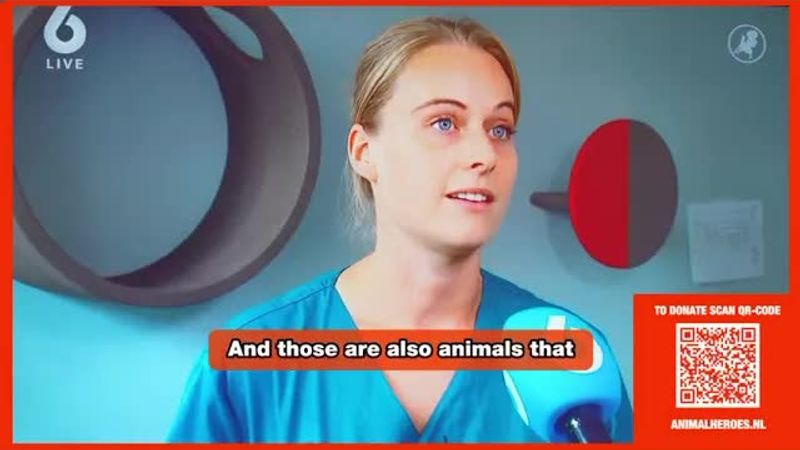
Nederlandse steun voor gewonde dierenarts en dieren in Gaza
Animal Heroes Foundation
Cosa alleni
Reporters interview Dutch vets who support animals in Gaza, so you hear "ondanks" used to link hardship and helping.
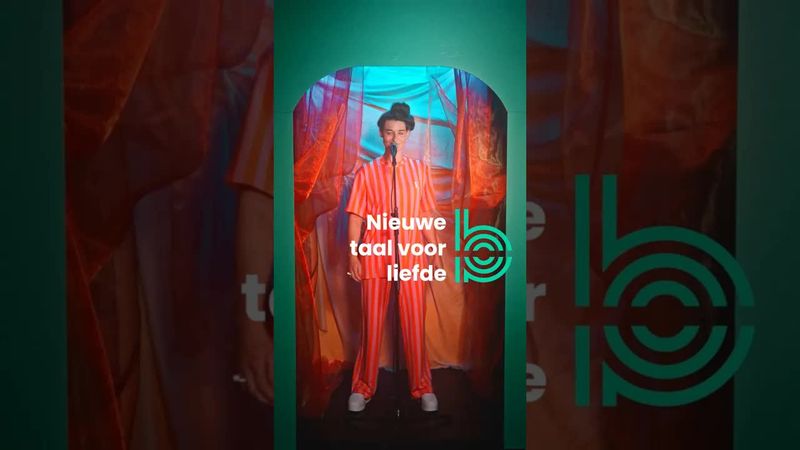
Een gezin vormen met drie ouders en een nieuwe taal
Brainwash
Cosa alleni
A speaker argues for legal rights for three parent families, using questions and the contrast word "terwijl" to build her case.
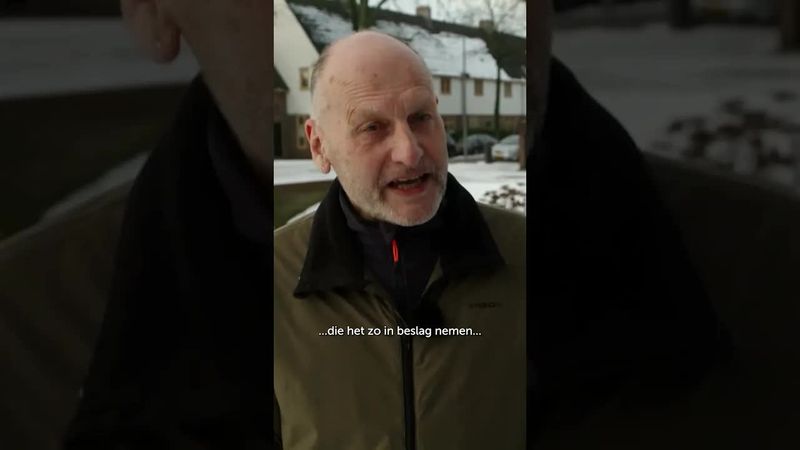
Veranderende wijk in Rotterdam en spanningen tussen bewoners
Nieuws van de Dag
Cosa alleni
A news report where residents describe how their Rotterdam area changed, stressing points with "juist" and "gewoon".
Dierenvervoer naar het slachthuis tijdens extreme hitte
Eyes on Animals
Cosa alleni
A news report on animal transport in extreme heat, with opposite views and the phrase "daar ben ik het niet mee eens".

Waarom we verschillende soorten tranen hebben
Clipphanger
Cosa alleni
An animated explainer about types of tears, where causes and contrasts are marked with "juist" and "toch".
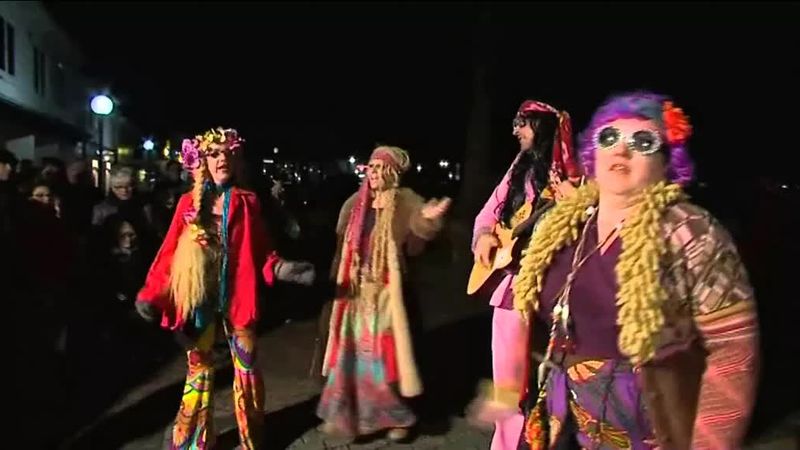
Texelse tradities: meierblis en oude Sunderklaas uitgelegd
NH Nieuws
Cosa alleni
A regional news report explains two Texel traditions, with formal phrases like "van oudsher" and "aan de kaak stellen".
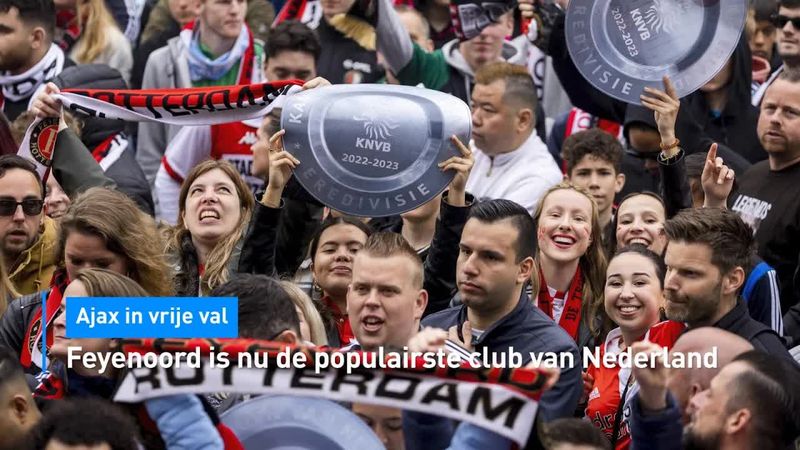
Feyenoord populairst, Ajax verliest fans aan concurrenten
Hart van Nederland
Cosa alleni
A news item explains research on football club popularity, giving reasons with "namelijk" and "vanwege".
Daten, armoede en de wens voor kinderen
KRO-NCRV
Cosa alleni
A documentary interview about dating while poor, where the speaker hedges honestly with "toch" and "eigenlijk" about wanting children.
Wat er gebeurt als we het oneens zijn
Brainwash
Cosa alleni
A short lecture explains brain research on disagreement, with clear comparisons like "precies het omgekeerde" between listening and blocking.
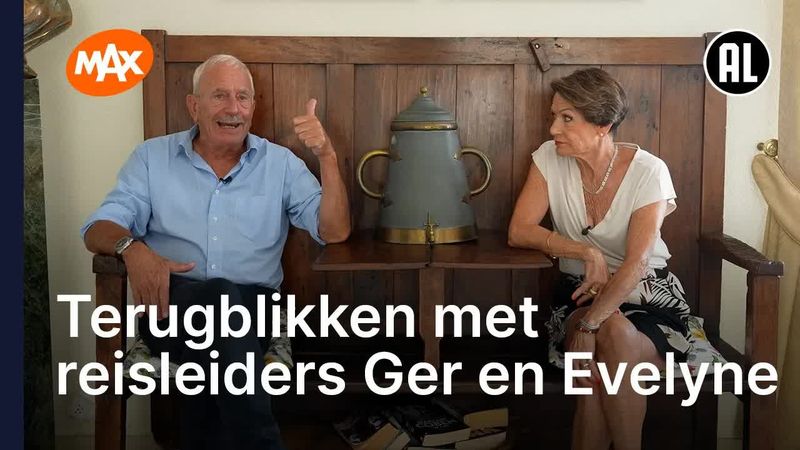
Reisleiders Ger en Evelyne over hun bijzondere groepsreis
Omroep MAX
Cosa alleni
Two tour guides discuss a group trip through the Pyrenees, explaining their choices with "vanwege het feit dat".
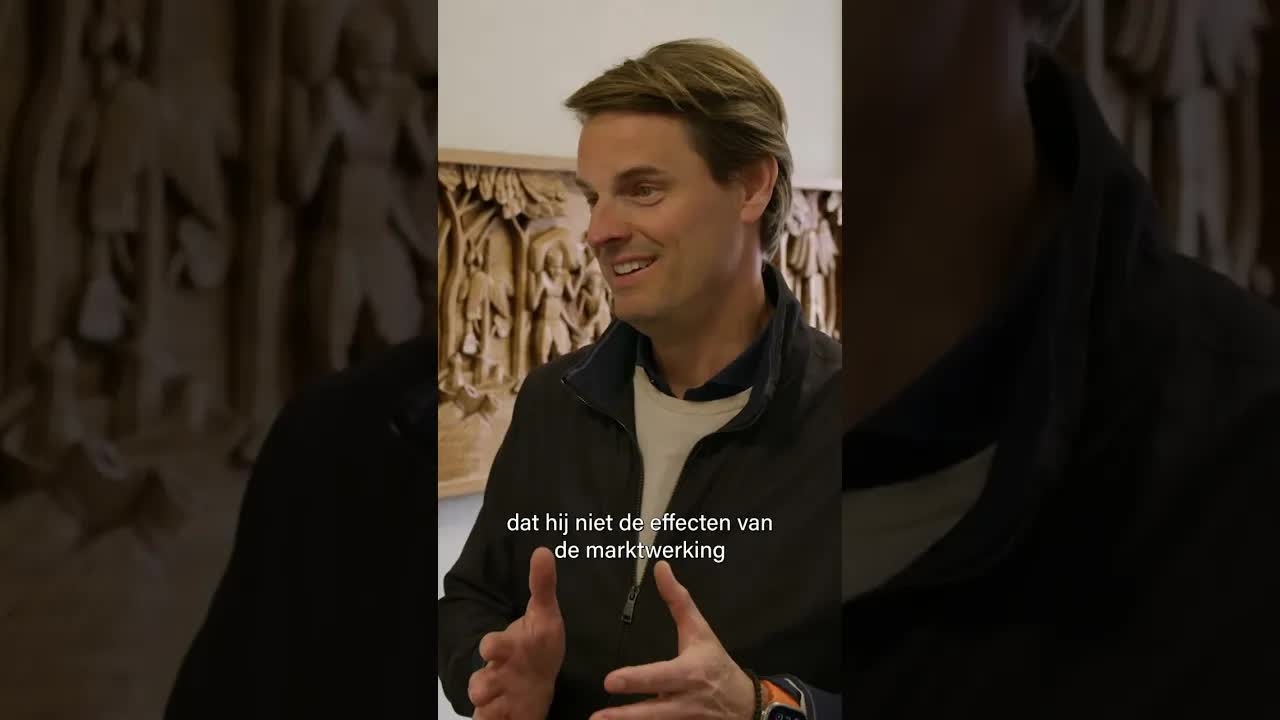
Cacaoboeren verdienen te weinig van de opbrengst
WNL
Cosa alleni
An interview about why cocoa farmers earn too little, with disagreement and emphasis through "juist" and "vooral".
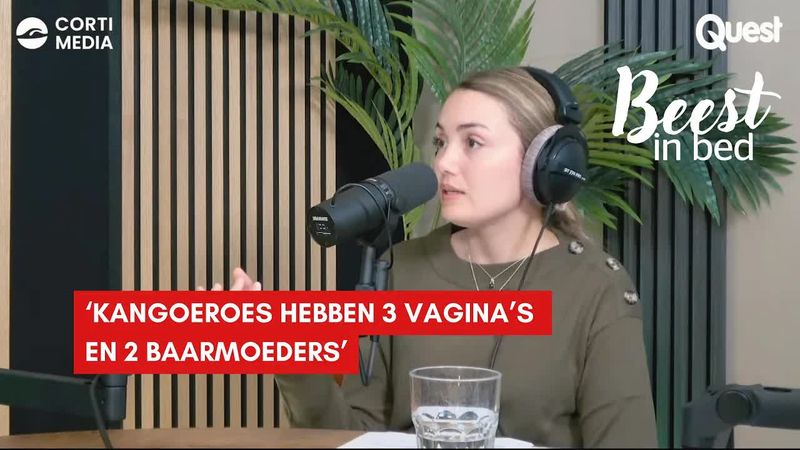
Dierenzwangerschap: bizarre voortplanting bij konijnen en kangoeroes
Quest Magazine
Cosa alleni
An expert interview about animal pregnancy, where causes and conclusions are linked with "dus" and "want" at natural speed.
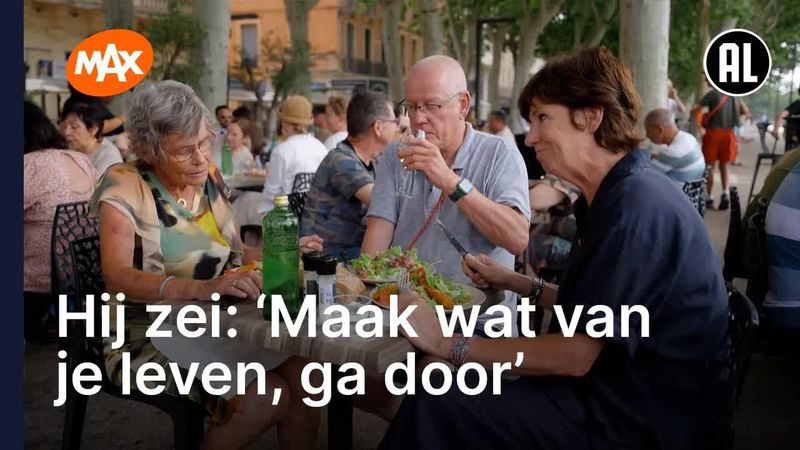
Rouw, kleinkinderen en samen verder na verlies
Omroep MAX
Cosa alleni
Two widowed seniors talk with an interviewer about grief and grandchildren, using "toch" to soften hard feelings.
Homoseksualiteit en voortplanting in het dierenrijk uitgelegd
Quest Magazine
Cosa alleni
A science explainer on animal behavior, where the expert hedges claims with "met name" and "zou je kunnen argumenteren".
Boek over Scheveningen in de oorlogsjaren
Omroep West
Cosa alleni
A studio interview about a book on wartime Scheveningen, with reasons introduced by "omdat" and "anders" in clear standard Dutch.
De heksenhamer en de kracht van desinformatie
Nederlands Instituut voor Beeld & Geluid
Cosa alleni
A museum explainer links a 15th century witch hunting book to modern disinformation, using phrases like "niets nieuws onder de zon".
Leven van je nieuwsbrief: geld verdienen met Substack
havermelkelite
Cosa alleni
A creator explains earning money from a newsletter platform, introducing facts with "namelijk" at a fast pace.
Achteruit zwemmen voor gehandicapte kinderen tijdens carnaval
The Dutch Table
Cosa alleni
An old newsreel about a backwards swimming stunt for charity, with formal narration that explains facts using "namelijk".

Waarom we Sinterklaas op 5 december vieren
Quest Magazine
Cosa alleni
A short explainer tells why Sinterklaas is on 5 December, using history connectives like "bovendien" and "naarmate".
Huwelijksfeest: 65 jaar getrouwd in Bergen op Zoom
The Dutch Table
Cosa alleni
An old newsreel about a 65 year wedding party, with formal narration and contrast marked by "weliswaar".
Leven met afasie en de strijd om woorden
Hart van Nederland
Cosa alleni
A news report about living with aphasia, so you hear health words and examples introduced with "bijvoorbeeld".
Dutch Design Week en de BeMoved koffiemachine
FutureOfCoffee
Cosa alleni
A playful report from Dutch Design Week shows products and trends, contrasting ideas with "toch" while people test a coffee machine.
Geen kinderen, maar wel ruimte om liefde te geven
KRO-NCRV
Cosa alleni
A woman reflects on life without her own children in a calm interview, reasoning with "doordat" and "dus".
Openhartig over leven na depressie en antidepressiva
RTL Boulevard
Cosa alleni
An open interview about life after depression, with honest hedging like "best wel" and contrast using "terwijl".
Wat maakt een kinderboek echt goed voor kinderen?
WNL
Cosa alleni
A studio talk about what makes children's books good, with opinions introduced by "ik denk" and "bijvoorbeeld".
De vasthoudende interviewstijl van Willibrord Frequin uitgelegd
Omroep MAX
Cosa alleni
A colleague explains a famous reporter's stubborn interview tricks, with "desnoods" showing how far he would go.
Ranomi Kromowidjojo over ambitie en meedogenloze topsport
Omroep MAX
Cosa alleni
A calm interview with a swimmer about ambition, with conditions expressed by "tenzij" and time clauses with "totdat".
Koopmeiners over petitie tegen WK in Amerika
RTL Nieuws
Cosa alleni
A footballer answers questions about a World Cup petition, hedging his opinions with "ik denk dat" and "misschien".
Omgaan met de kankerdiagnose van mijn moeder
Stichting Bratelle
Cosa alleni
A young woman describes coping with her mother's cancer, contrasting feelings with "terwijl" in a calm interview.
Maagdelijke voortplanting bij slangen en eenzame cobra Ayla
Quest Magazine
Cosa alleni
A science conversation about snakes that clone themselves, with steps in the argument marked by "dus" and "uitsluitend".
Marijn Kuipers over haar jarenlange strijd met boulimia
RTL Tonight
Cosa alleni
A woman describes her recovery from bulimia in a talk show, using "op een gegeven moment" to order events in time.
Leven in eenzaamheid op een eilandje in de polder
KRO-NCRV
Cosa alleni
An interview with a woman living alone in the polder, with simple answers softened by "gewoon" and "een beetje".
Ome Cor over verlies, vrijheid en genieten van de natuur
KRO-NCRV
Cosa alleni
An interview with an old man about loss and living alone, with blunt short answers and frequent "gewoon" and "prima".
Herinneringen aan Moordspel en drie minuten gratis winkelen
Nederlands Instituut voor Beeld & Geluid
Cosa alleni
A visit to a former quiz winner who retells old TV memories, introducing facts with "namelijk".
Twentse geboortetradities in Rotterdam
The Dutch Table
Cosa alleni
An old newsreel about Twente birth traditions in Rotterdam, with formal narration like "ze hoort dat nu eenmaal".
Uitvindingen bekijken op de Brusselse uitvindersbeurs
Nederlands Instituut voor Beeld & Geluid
Cosa alleni
An old newsreel about an inventors fair in Brussels, with formal narration like "men kan er zich over verbazen".
Sinterklaasintocht in Amsterdam en speelgoeddroom in de RAI
Amsterdam - Verzamelde Historische Filmbeelden
Cosa alleni
An old newsreel about the Sinterklaas arrival in Amsterdam, where the narrator sums up with "kortom" and contrasts with "toch".
Geheim liefdesverhaal na Boer Zoekt Vrouw-finale
L1 Nieuws
Cosa alleni
A regional news item about a TV couple keeping their love secret, retelling past events with "toch" several times.

Praten met je kind over de eerste menstruatie
Het Klokhuis
Cosa alleni
A comic guide for parents about a child's first period, giving advice with imperatives and the contrast word "terwijl".
Een legendarisch panna-moment met de Nederlandse koning
TOUZANI TV
Cosa alleni
A vlog story about a football trick on the king, told in past tense with "terwijl" linking two actions.
Cryptische kledingstukken raden in een quizronde
Woody Moonlighting
Cosa alleni
A quiz round guessing clothing items from photos, good for compound nouns like "spijkerbroek" and "kabeltrui".
De tranen van mijn vader en dit stukje land
KRO-NCRV
Cosa alleni
An emotional interview about a father and a piece of land, where the guest reflects with "eigenlijk" and "toch".
Leo Alkemade over film over zijn overleden vader
RTL Boulevard
Cosa alleni
An actor tells a reporter about a film premiere honoring his late father, hedging feelings with "eigenlijk" and "toch".
Florentijn Hofman stelt zich voor als kandidaat mol
Wie is de Mol?
Cosa alleni
An artist introduces himself for a TV game, stating opinions with "wat mij betreft" and "natuurlijk".
Dingen die ik anders zou doen in mijn keuken
Diesna Loomans
Cosa alleni
A vlogger walks through her kitchen and explains design regrets, using conditional forms like "zou doen" and "veel te duur".
Designer vondsten en naaiprojecten in de kringloopwinkel
iamtheknees
Cosa alleni
A thrift shopping vlog about finding clothes to sew, where plans are explained with "namelijk" and "dus".
Beautyblogger Mascha bij RTL Boulevard over haar succes
beautygloss
Cosa alleni
A TV report profiles a beauty blogger who turned her hobby into a business, using time markers like "op een gegeven moment".
Overlijden van George Kooijmans en zijn muzikale erfenis
Woody Moonlighting
Cosa alleni
A news report on the deaths of two rock musicians, with passive forms like "wordt gezien als" and band history.
Over kinderen, tijd en de wens om oma te worden
RTL Boulevard
Cosa alleni
A talk show guest reflects on children growing up fast, hedging her opinion with "ik denk" and "best wel".
Verjaardagsstress en traktaties in de kleuterklas
AVROTROS
Cosa alleni
A comedy scene at a preschool about birthday treats, where parents argue politely and use "natuurlijk" and "toch" in fast everyday speech.
Herinnering aan Bataclan tijdens voorbereidingen op een feestshow
BM - Broadcast Magazine
Cosa alleni
A TV maker remembers the night of the Paris attack in an interview and uses "alsof" to compare feelings.
Exitgesprek met afvaller van Wie is de Mol
Wie is de Mol?
Cosa alleni
An exit interview about game choices, where the player hedges with "wellicht" and reflects with "uiteindelijk".
Il test
Com’è fatta la prova d’ascolto di livello B2?
La prova d’ascolto (Luisteren) dura 90 minuti al computer, con le cuffie. Ci sono circa 40 domande a scelta multipla su cinque o più registrazioni. Il formato è lo stesso per il Programma I e II; cambia solo il livello dell’olandese. Ecco cosa senti:
Frammenti audio
Brevi registrazioni vere su situazioni di lavoro, di un percorso di studio e di vita quotidiana: conversazioni, istruzioni, servizi e discorsi.
Una volta
Frammenti video
Da uno a tre dei frammenti sono brevi video (filmpjes), ciascuno con una domanda. Il resto è solo audio.
Una volta
Hai circa 25 secondi per leggere ogni domanda e le tre opzioni di risposta. Poi il frammento parte da solo, e lo senti una sola volta. Non c’è modo di riascoltarlo.
Le registrazioni sono vere, quindi senti voci diverse, piccoli errori, ripetizioni e a volte rumori di fondo. Chi parla può avere un accento, ma non un dialetto.
Durante il Luisteren non puoi usare il dizionario, e ogni domanda ha esattamente una risposta corretta.
Livello e parole
Che livello e quante parole mi servono?
Per l’ascolto servono molte meno parole che per la lettura. Le ricerche mostrano che circa 3.000 parole comuni coprono circa il 95% del parlato normale, e le prime 1.000 coprono la maggior parte di quello che le persone dicono.
Al B2 raramente sono le parole che non conosci a fermarti. È la velocità, e il fatto che senti tutto una sola volta. Il video aiuta, perché le immagini ti mostrano di cosa parla un frammento mentre il tuo orecchio recupera.
Guarda video con indizi visivi, su YouTube o qui su Reelang.
Basato su ricerche
Nation (2006) About 3,000 common word families cover roughly 95% of everyday spoken English; reading needs far more.
Webb (2021) The most frequent 1,000 words alone cover most of what people say in speech.
Durbahn et al. (2024) Video is easier to understand at a given vocabulary size, because the pictures help you guess.
Modi per esercitarti
I modi più comuni per esercitarsi
Non c’è un unico modo giusto. Molti usano un mix di questi, e il pacchetto gratuito qui sopra si affianca bene a ognuno di loro.
Un corso o un insegnante
Notizie e attualità in olandese, come il NOS Journaal, Nieuwsuur o EenVandaag
Discorsi e documentari su argomenti veri, non sull’apprendimento dell’olandese
Guardare video veri in olandese al tuo livello
Inizia a guardare subito, senza email
Esplora tutti i video in olandese di livello B2, ordinati per velocità d’ascolto
Da sapere
Domande frequenti
Come è stato scelto questo pacchetto per NT2 Programma II?
Abbiamo cercato noi al posto tuo. Controlliamo migliaia di video in olandese e misuriamo ognuno: il livello, la velocità del parlato in parole al minuto e quante delle sue parole sono comuni. Per questo pacchetto abbiamo tenuto video di livello B2 in olandese standard, a una velocità vicina a quella del test (circa 197 parole al minuto), dove circa il 97% delle parole è tra le più comuni nel parlato in olandese. Poi abbiamo letto le trascrizioni a mano per tenere gli argomenti quotidiani usati dal test, e abbiamo messo per primi i video più chiari e visivi. Circa 3.000 parole comuni coprono già circa il 95% del parlato normale (Nation 2006), quindi questo tipo di contenuti corrisponde bene al test.
Con che tipo di video devo esercitarmi per l’ascolto NT2 Programma II?
Usa un olandese vero dei Paesi Bassi, parlato a una velocità naturale, in cui qualcuno spiega un argomento o le persone danno la loro opinione. Scegli gli argomenti di lavoro, studio e vita quotidiana usati dall’esame, come storia e cultura, società e attualità, lavoro, famiglia, salute and media. Non ti servono parole rare. Circa 3.000 parole comuni coprono la maggior parte del parlato normale (Nation 2006), quindi i contenuti costruiti sulle parole parlate più comuni corrispondono bene al test. Un buon mix è fatto di un servizio giornalistico, un’intervista e una spiegazione chiara, perché l’esame usa brevi frammenti veri come questi. È esattamente così che è stato messo insieme il pacchetto gratuito di 98 video qui sopra.
L’audio dell’ascolto NT2 viene riprodotto una volta o due?
Una sola volta. Ogni frammento viene riprodotto una sola volta e parte da solo; non c’è un tasto per riascoltarlo. Hai circa 25 secondi per leggere la domanda e le opzioni di risposta prima che inizi. Altri esami, come il Goethe e il DELF, riproducono alcune parti del loro audio due volte, quindi molti arrivano aspettandosi una seconda occasione. Qui non c’è, ed è per questo che aiuta esercitarsi ad ascoltare senza metterlo in pausa o tornare indietro.
Devo superare il Programma I prima di sostenere il Programma II?
No. Sono esami separati, e puoi sostenere subito il Programma II. Scegli in base al tuo obiettivo, non all’ordine: il Programma I (B1) è adatto a un percorso di studio mbo e al lavoro a livello mbo-3 o mbo-4, mentre il Programma II (B2) è adatto allo studio hbo o universitario e al lavoro a quel livello. Se il tuo obiettivo richiede il B2, il Programma I è una deviazione, non un passaggio obbligato.
L’NT2 Programma II basta per lavorare nella sanità olandese?
Dipende dalla tua professione. Per gli infermieri formati a livello hbo, il registro BIG richiede l’olandese B2, e l’NT2 Programma II è il modo più comune per dimostrarlo. Per gli infermieri formati a livello mbo il livello richiesto è B1, quindi serve il Programma I. Per i medici l’asticella è più alta: B2 più olandese medico, di solito chiamato B2+, quindi il Programma II da solo non basta.
L’NT2 Programma II conta per la cittadinanza olandese?
Sì. Per la naturalizzazione serve l’inburgeringsexamen di livello A2, oppure lo Staatsexamen NT2 di livello B1 o B2. Il diploma del Programma II conta, e dimostra un olandese molto più alto del minimo richiesto, il che aiuta anche più avanti con lo studio e il lavoro.
Quanto costa lo Staatsexamen NT2?
Ogni parte dell’esame costa 50 €, quindi un programma completo di quattro parti (Lezen, Luisteren, Schrijven, Spreken) costa 200 €. È lo stesso per il Programma I e II. Puoi sostenere e ripetere le parti separatamente, quindi se una parte va male paghi di nuovo solo quella.
Posso prepararmi gratis?
Sì. L’esercizio gratuito più simile all’esame vero è l’ambiente di esercitazione ufficiale dell’NT2 (oefenomgeving), con esami di esempio per tutte le quattro parti di entrambi i programmi. Funziona meglio al computer che sul telefono. Dopo, la cosa migliore e gratuita che puoi fare è ascoltare molto olandese vero al tuo livello. Inizia con i video qui sopra, oppure guardane altri su YouTube o qui su Reelang.